
A Comprehensive Guide to French Furniture Styles
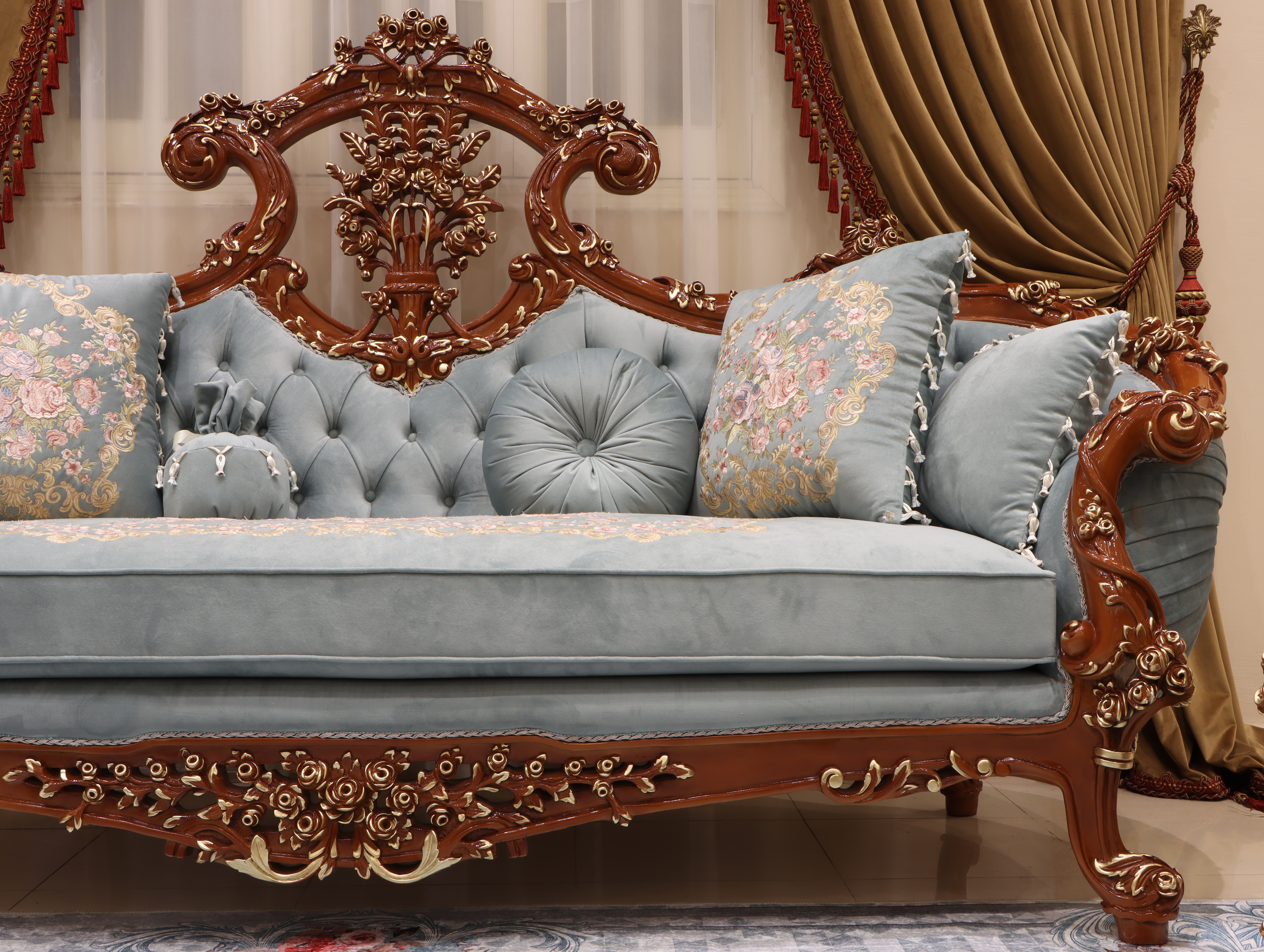
French furniture styles has long been a symbol of elegance, luxury, and timeless sophistication. From the grandeur of Baroque to the delicate charm of Rococo and the refined symmetry of Neoclassicism, each era of French design reflects a rich history and cultural evolution. This article explores the defining characteristics of key French furniture styles, offering insight into their unique aesthetics and enduring appeal.
1. The Gothic Era: Foundations of French Furniture Design
The Gothic period marked the early roots of French furniture, heavily influenced by medieval architecture.
Characteristics:
- Pointed arches and vertical elements
- Ornate carvings, often depicting religious motifs
- Sturdy construction with dark woods like oak
These pieces emphasized functionality while reflecting the grandeur of Gothic cathedrals.
2. Renaissance Style: A Revival of Classical Beauty
The French Renaissance, influenced by Italy, celebrated symmetry, proportion, and intricate detail.
Characteristics:
- Classical motifs such as scrolls, columns, and medallions
- Use of walnut, often embellished with carved details
- Rich finishes and inlays with marble and ivory accents
This era emphasized humanism and the rediscovery of classical antiquity.
3. Baroque Grandeur: The Louis XIV Style
Under the reign of Louis XIV, French furniture became a statement of opulence and power. The Baroque style, also known as Louis XIV furniture, dominated this period.
Characteristics:
- Symmetrical and bold proportions
- Luxurious materials like tortoiseshell, brass, and exotic woods
- Ornate carvings with motifs of cherubs, garlands, and cartouches
Baroque furniture often adorned the grand halls of the Palace of Versailles, embodying the Sun King's lavish tastes.
4. Regency Transition: The Régence Period
The Régence era bridged the Baroque and Rococo styles, introducing more fluid and feminine designs.
Characteristics:
- Curved lines and cabriole legs
- Exotic motifs like pagodas and shells
- Materials like walnut and gilt bronze
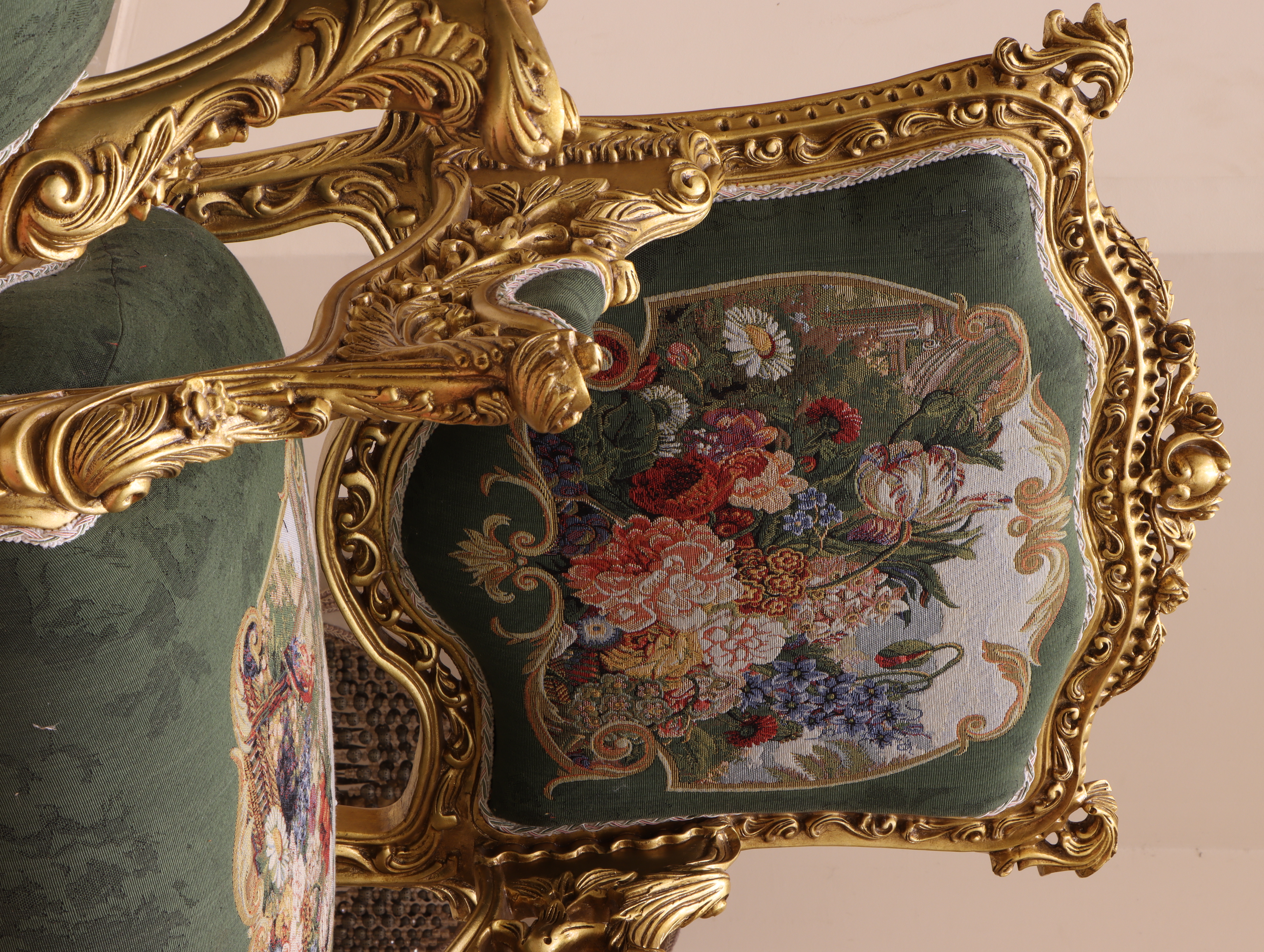
This style balanced the grandeur of Baroque with the emerging playfulness of Rococo.
5. Rococo Elegance: The Louis XV Style
The Rococo style flourished under Louis XV, emphasizing comfort, intimacy, and ornate detail.
Characteristics:
- Asymmetrical designs with soft curves
- Nature-inspired motifs such as flowers, shells, and foliage
- Use of pastel colors and lighter woods
Pieces like chaise longues and bergères became popular, emphasizing a relaxed yet elegant lifestyle.
6. Neoclassicism: The Louis XVI Style
The Neoclassical period reflected a return to classical ideals of simplicity and symmetry during the Enlightenment.
Characteristics:
- Straight lines and geometric shapes
- Greek and Roman-inspired motifs like laurel wreaths and fluting
- Elegant materials like mahogany and marble
This style marked a departure from Rococo’s whimsy, favoring a more structured and refined aesthetic.
7. Directoire and Empire Styles: Revolutionary Changes
The Directoire and Empire periods embraced a simpler, more austere design in the wake of political upheaval.
Directoire Characteristics:
- Clean lines and elongated forms
- Minimal ornamentation
- Use of lighter woods like birch and maple
Empire Characteristics:
- Bold, dramatic designs inspired by Napoleonic grandeur
- Use of ebony, gold accents, and imperial motifs
- Furniture often featured symbols of power, like eagles and laurel wreaths
French Furniture: A Lasting Legacy
French furniture styles continue to inspire modern interiors with their unparalleled craftsmanship and timeless beauty. Whether you prefer the lavish details of Louis XIV or the understated elegance of Neoclassicism, incorporating French furniture into your space brings history, culture, and sophistication into your home.
Discover these iconic styles to curate a living space that combines the past's grandeur with the present's functionality.